You track your Fran time. You know your one-rep max deadlift. You log your workouts, count your macros, and monitor your sleep. But there is one data source that most CrossFit athletes completely ignore -- the one that tells you more about your performance potential than any whiteboard ever will.
Your blood work.
Not the annual physical where your doctor glances at your cholesterol and says "looks fine." A real, comprehensive panel that shows you what is happening under the hood. Hormones, inflammation, iron stores, metabolic function, recovery capacity. The things that determine whether your training is actually building you up or quietly breaking you down.
Most athletes do not get blood work until something goes wrong. They hit a wall they cannot train through. They get injured for the third time in six months. They are exhausted despite sleeping eight hours. By the time you feel it, the problem has been building for months. Blood work catches it early -- before the plateau, before the injury, before the burnout.
Why Athletes Need More Than a Standard Panel
Here is what happens at a typical annual physical: your doctor orders a CBC (complete blood count), a basic metabolic panel, and a lipid panel. They check your blood sugar, your kidney function, your cholesterol. If everything is in the "normal" range, you get a thumbs up and a "see you next year."
The problem is that "normal" ranges are designed to screen for disease in the general population. They are not optimized for performance. A testosterone level of 350 ng/dL is technically "normal" for a man. But for a 35-year-old CrossFit athlete who is training five days a week, it is a massive bottleneck. Recovery will be slow. Muscle gain will stall. Energy will tank by mid-afternoon. The doctor says you are fine. You know you are not.
Athletes operate at a different level. You are putting more stress on your body than the average person. That means your nutrient demands are higher, your hormonal system is under more load, and the consequences of suboptimal levels are amplified. What passes for acceptable in someone who walks 4,000 steps a day is not acceptable for someone doing heavy squats, sprinting on a rower, and metabolic conditioning five times a week.
You need a panel that goes deeper. And you need someone who reads the results through a performance lens, not just a disease-screening lens.
The Key Markers Every CrossFit Athlete Should Track
Here is the athlete blood panel breakdown -- what to test, what it tells you, and why it matters for your training.
Testosterone (Total + Free)
The master hormone for muscle protein synthesis, recovery, mood, drive, and body composition. Low testosterone means slow recovery, stubborn body fat, and a training ceiling you cannot break through. Both total and free testosterone matter -- total tells you what your body produces, free tells you what is actually available to use.
Cortisol
Your primary stress hormone. Acute cortisol spikes from training are normal and healthy. Chronically elevated cortisol from overtraining, under-recovering, or life stress is destructive -- it breaks down muscle, stores belly fat, disrupts sleep, and suppresses immune function.
Testosterone-to-Cortisol Ratio
This is the single best indicator of your recovery state. When testosterone is high relative to cortisol, you are in an anabolic (building) state. When cortisol dominates, you are in a catabolic (breaking down) state. A crashed T:C ratio is the clearest lab sign of overtraining.
Ferritin + Iron Panel
Ferritin is your body's iron storage. Iron carries oxygen to working muscles. Low ferritin -- even if your hemoglobin is "normal" -- causes fatigue, poor endurance, and sluggish recovery. This is extremely common in female athletes and in any athlete with high training volume. You can be iron-deficient without being anemic, and it will tank your performance.
Vitamin D
Vitamin D affects muscle function, bone density, immune resilience, and mood. Most people in the northern US are deficient, especially in winter. For athletes, low vitamin D impairs muscle contraction strength and increases injury risk. Optimal range for athletes is 50-80 ng/mL -- most "normal" ranges start at 30, which is not enough.
Thyroid Panel (TSH, Free T3, Free T4)
Your thyroid controls your metabolic rate -- how efficiently you burn fuel, regulate body temperature, and produce energy. Subclinical thyroid dysfunction is common in athletes, particularly those who combine heavy training with caloric restriction. A sluggish thyroid means slow recovery, weight gain resistance, and chronic fatigue that no amount of coffee fixes.
hs-CRP (High-Sensitivity C-Reactive Protein)
This is your systemic inflammation marker. Acute inflammation from training is expected. Chronically elevated hs-CRP means your body is in a persistent inflammatory state -- slow healing, joint pain, and increased injury risk. If your hs-CRP is elevated and you have been training hard without adequate recovery, your body is telling you to back off.
Metabolic Panel (Glucose, HbA1c, Insulin)
Even fit athletes can have metabolic issues. Fasting glucose and HbA1c reveal how well you are managing blood sugar. Fasting insulin shows whether insulin resistance is developing. These markers affect energy levels, body composition, and long-term health -- and they are especially important if body recomposition is a goal.

How to Use Blood Work to Optimize Your Training
Getting the panel is step one. Knowing what to do with the results is where it gets powerful.
When to push harder: If your testosterone is optimized, cortisol is well-managed, ferritin is solid, and inflammation is low, your body is in a prime state to handle increased training volume. This is your green light to add intensity, volume, or a new skill cycle. Your recovery machinery is functioning well and you have the hormonal support to adapt to more stress.
When to deload: If your T:C ratio is skewed toward cortisol, hs-CRP is climbing, or ferritin is dropping, your body is telling you it cannot keep up with the demand. This is not weakness. This is data. A well-timed deload week -- lighter weights, lower volume, more mobility work -- can prevent a forced break from injury or illness. The best athletes deload proactively. The rest wait until they break.
When to eat more: Low thyroid markers combined with declining performance often signal that you are under-fueling relative to your training load. This is especially common in athletes who are trying to lean out while maintaining high-intensity training. Your body down-regulates thyroid function to conserve energy. The fix is not training harder -- it is eating more. Sometimes significantly more.
When to investigate deeper: Persistent fatigue despite adequate sleep, training, and nutrition usually points to something hormonal or metabolic. Low testosterone in a 38-year-old man. Iron deficiency in a 30-year-old woman training six days a week. Subclinical hypothyroidism that has gone undiagnosed for years. These are not things you can fix by adjusting your macros. They need clinical attention.
Red Flags That Show Up in Athlete Blood Work
Some patterns show up over and over in hard-training athletes. These are the red flags to watch for:
Low ferritin with "normal" hemoglobin. Your doctor says your iron is fine because your CBC looks normal. But your ferritin is 15 ng/mL. You are running on fumes. Iron supplementation -- targeted, monitored, dosed correctly -- can transform your energy and endurance within weeks. This is one of the most under-diagnosed performance issues in athletes, particularly women.
Elevated cortisol with suppressed testosterone. This is the classic overtraining signature. Your body is producing stress hormones faster than recovery hormones. The result: you feel wired but tired, you gain fat around your midsection despite training hard, your sleep quality tanks, and you lose motivation to train. This is not burnout. This is a hormonal imbalance driven by training stress exceeding recovery capacity.
Crashed vitamin D. Below 30 ng/mL is deficient. Below 20 is severely deficient. In the Chicago area, half the year has limited sun exposure. If you are not supplementing and not testing, you are probably low. And you are leaving performance on the table -- weaker muscle contractions, higher injury risk, compromised immune function, and lower mood through the winter months.
Chronically elevated hs-CRP. If your hs-CRP stays above 3.0 mg/L consistently, something is driving systemic inflammation beyond normal training stress. It could be poor gut health, food sensitivities, inadequate recovery, or something else entirely. This marker is a signal to investigate, not ignore.
The Moonshot Advantage: Gym + Lab Under One Roof
This is where we do something that no other gym in the area does.
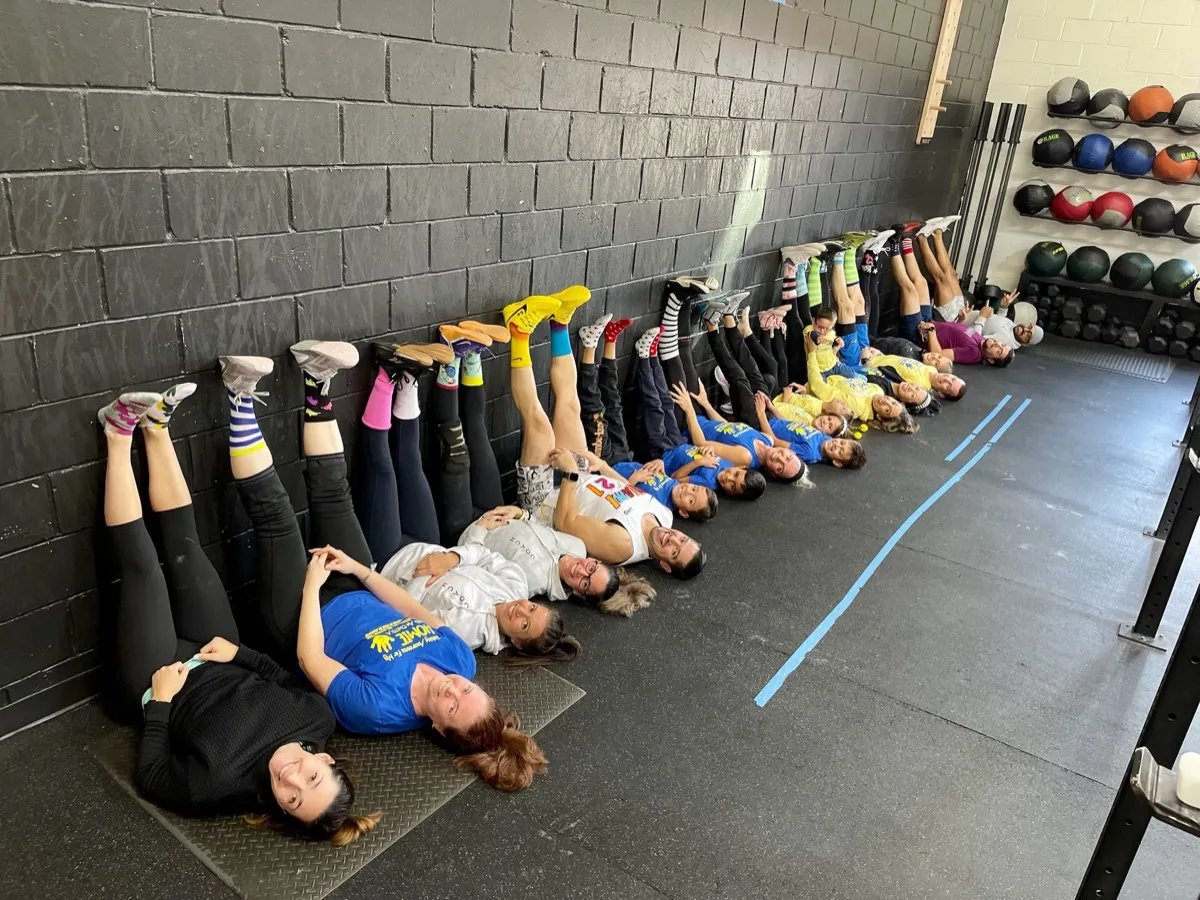
Moonshot CrossFit shares a building with Moonshot Medical and Performance. That means your coaches know your training and your clinicians know your blood work -- and they can actually talk to each other. Your training program can be informed by your lab results. Your clinical protocol can account for your training demands. Everything works together instead of in isolation.
The clinic offers comprehensive performance panels designed specifically for active people -- not the watered-down annual physical version. They test every marker that matters for athlete health: hormones, inflammation, iron, thyroid, metabolic health, and more. And the results are read through a performance optimization lens, not a "you are not dying" lens.
Want to go deeper? Their full blood work menu covers everything from basic wellness screens to advanced athletic panels. You get your blood drawn, review the results with a clinician who understands training, and walk next door to the gym with a plan that actually accounts for what your body needs.
This is not about being extreme or obsessive. This is about being smart. You would not drive your car for 100,000 miles without checking the oil. Your body is the same. The data is there. You just have to look at it.
How Often Should You Test?
At minimum, twice a year. Once to establish your baseline and once to track changes. If you are actively adjusting training, nutrition, or supplementation, quarterly testing gives you real feedback loops. You make a change, you retest in 8-12 weeks, and you see whether it worked. That is optimization. Everything else is guessing.
The best time to test is first thing in the morning, fasted, before training. Testosterone peaks in the morning. Cortisol follows a natural daily rhythm. Training and eating both affect certain markers. A fasted morning draw gives you the cleanest, most comparable data point.
And skip the hard workout the day before. A brutal metcon can spike your inflammatory markers and cortisol for 24-48 hours. You want to see your baseline, not your post-workout spike.
Frequently Asked Questions
How often should CrossFit athletes get blood work done?
At minimum, twice a year -- once as a baseline and once as a follow-up to track changes. If you are actively adjusting training volume, nutrition, or supplementation, quarterly panels give you much better data to work with. Athletes over 35 or those dealing with persistent fatigue, slow recovery, or unexplained performance plateaus should consider testing every 3 months until the issue is resolved.
What blood markers are most important for CrossFit athletes?
The most important markers include total and free testosterone, cortisol (and the testosterone-to-cortisol ratio), ferritin and iron panel, vitamin D, thyroid hormones (TSH, free T3, free T4), inflammatory markers like hs-CRP, and a comprehensive metabolic panel including fasting glucose and HbA1c. These cover hormone optimization, recovery capacity, energy production, and metabolic health.
Can overtraining show up in blood work?
Yes. Overtraining has clear blood work signatures. Chronically elevated cortisol, suppressed testosterone (especially a crashed testosterone-to-cortisol ratio), elevated hs-CRP indicating systemic inflammation, depleted ferritin, and disrupted thyroid function are all markers that reveal overtraining -- often weeks before you notice major performance drops or injury.
Should I fast before getting blood work as an athlete?
Yes. Fast for 8-12 hours before your blood draw for the most accurate results, especially for glucose, insulin, and lipid markers. Schedule your draw first thing in the morning before training. Testosterone is highest in the morning, so morning draws give you the most reliable hormone readings. Avoid intense training the day before your draw, as a hard workout can temporarily spike inflammatory markers and cortisol.
Is a standard annual physical blood panel enough for athletes?
No. A standard annual physical typically checks a basic metabolic panel, CBC, and maybe cholesterol. It does not test testosterone, cortisol, ferritin, vitamin D, thyroid function, or inflammatory markers -- all of which are critical for athletes. You need a comprehensive athletic panel that goes well beyond what your primary care doctor orders once a year.