Nobody talks about this at the gym. You are 36, maybe 42, and something has shifted. You used to recover between sessions like it was nothing. Now you are sore for three days after a moderate workout. You used to lean out just by cleaning up your diet for two weeks. Now the belly fat will not budge no matter what you do. You still show up, still train hard, but the results have flatlined and you cannot figure out why.
It might not be your programming. It might not be your nutrition. It might be your testosterone.
This is not a sales pitch for hormone therapy. This is the honest conversation that most gyms avoid because it crosses into territory they do not understand. But if you are an athlete over 30 and your body is not responding the way it used to, testosterone is something you need to understand -- whether you ever pursue treatment or not.
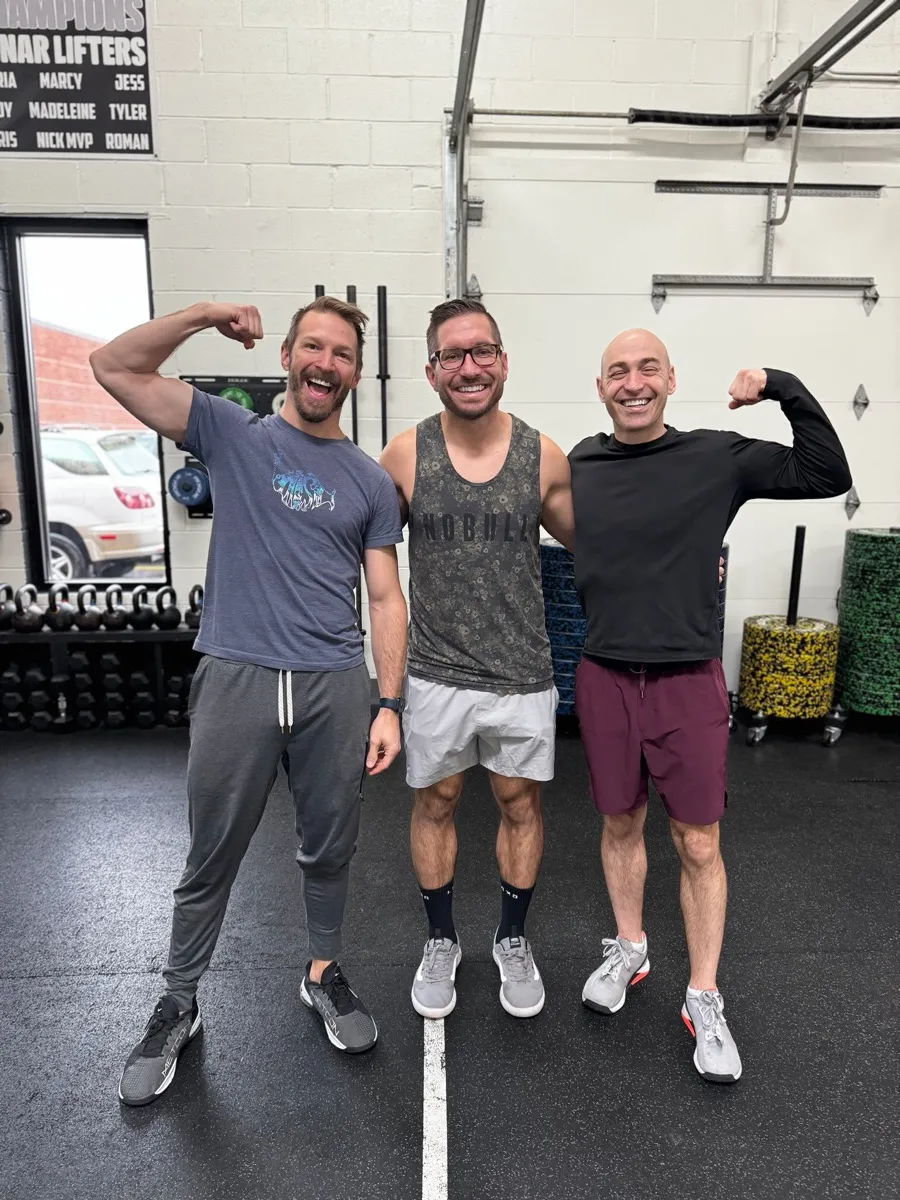
How Testosterone Affects Training Performance
Testosterone is not just a "male hormone." It is a foundational signal that drives some of the most critical processes in athletic performance. Both men and women produce it, and both are affected when levels are suboptimal.
Muscle protein synthesis. Testosterone directly stimulates the process of building and repairing muscle tissue. When you squat heavy, your muscle fibers break down. Testosterone is one of the primary hormones that signals your body to rebuild those fibers bigger and stronger. Low testosterone means this repair process is slower, weaker, or incomplete. You train just as hard but adapt less.
Recovery. This is where most athletes feel it first. Testosterone modulates inflammation, supports tissue repair, and regulates sleep quality. When levels are optimal, you can train Monday and feel ready to go Wednesday. When levels drop, you are still dragging on Thursday from Monday's workout. The training did not change. Your hormonal capacity to recover from it did.
Body composition. Testosterone promotes lean mass and opposes fat storage, particularly visceral fat (the dangerous kind around your organs). Low testosterone shifts the equation: you lose muscle easier and store fat easier, especially in the midsection. This is why some men in their late 30s and 40s watch their body composition shift despite consistent training and reasonable nutrition. The hormonal environment has changed.
Motivation and drive. This one gets overlooked. Testosterone affects dopamine signaling in the brain. When levels are healthy, you feel motivated, competitive, and energized to train. When levels drop, the mental game suffers. You start skipping sessions not because you are lazy, but because the neurochemical drive to push hard has diminished. The desire to compete, to grind, to show up early -- it fades. And most people blame themselves for it instead of looking at the biology.
Signs Your Testosterone Might Be Low
Low testosterone does not announce itself with a single dramatic symptom. It creeps in gradually, which is why most people do not connect the dots until they have been dealing with it for months or years. Here is what it looks like in athletes:
Recovery Takes Forever
You used to bounce back between sessions. Now two rest days is not enough. Soreness lingers. Joints ache. You feel like you need a deload week every three weeks instead of every six.
Strength Is Stalling or Declining
You have been training consistently for years. Your lifts are not going up anymore, and some are going down. Your muscle tone feels softer despite the same volume. Programming is not the issue -- you have tried switching it up with no improvement.
Belly Fat That Will Not Budge
You are eating clean. Training hard. And still accumulating fat around your midsection. This is a hallmark of low testosterone -- the hormonal environment has shifted to favor fat storage over lean mass preservation, regardless of your caloric input.
Poor Sleep Despite Being Exhausted
You fall asleep fine but wake up at 3 AM. Or you sleep eight hours and wake up feeling like you slept four. Testosterone plays a role in sleep architecture and deep sleep cycles. When it drops, sleep quality follows -- which then further suppresses testosterone in a vicious cycle.
Loss of Motivation to Train
This is the one that scares athletes the most. You used to love training. Now you have to drag yourself to the gym. The fire is gone. This is not laziness. This is a neurochemical shift. Testosterone drives dopamine, and dopamine drives motivation. When the tank is low, the drive goes with it.
If you are experiencing three or more of these simultaneously and your sleep, nutrition, and stress management are reasonably dialed in, it is time to get your testosterone checked. Not a basic panel -- a comprehensive one that includes total testosterone, free testosterone, SHBG, and cortisol.
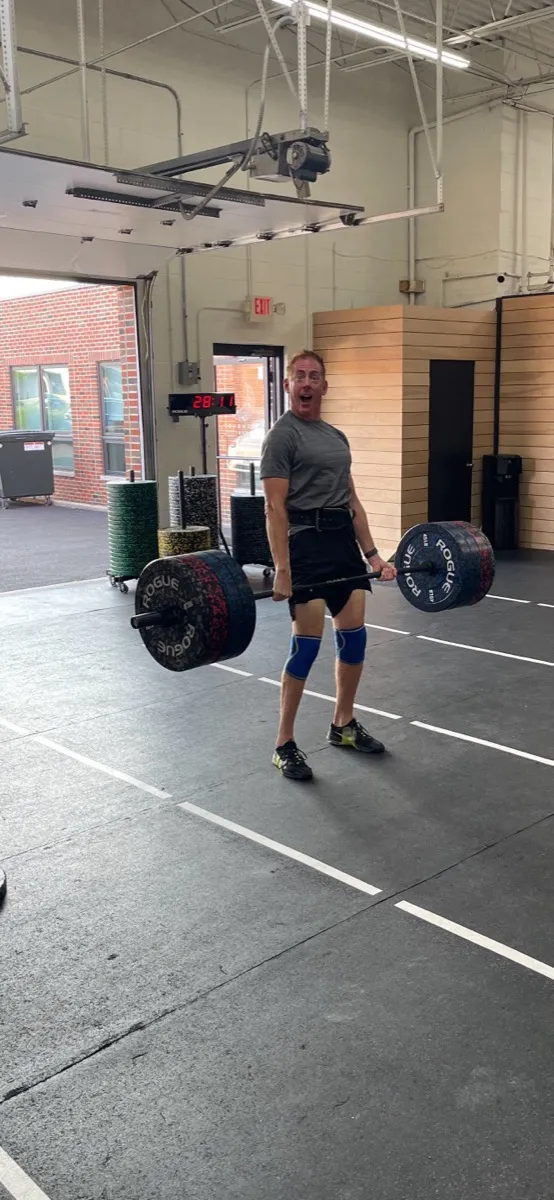
The Age Factor: What Happens After 30
Starting around age 30, testosterone begins a steady decline of roughly 1-2% per year. That does not sound like much. But compounded over a decade, a man who had a testosterone level of 700 ng/dL at 30 could be sitting at 500 or below by 40. By 50, he may be approaching the low end of the reference range -- a range that was designed around the general population, not athletes.
This decline is not a cliff. It is a slow leak. And because it happens gradually, most men normalize how they feel. "I guess this is just what 40 feels like." It is not. Plenty of 40- and 50-year-old men maintain robust testosterone levels. But they are either genetically fortunate or they are actively managing it.
The decline accelerates when lifestyle factors compound the problem. Chronic stress, poor sleep, excess body fat (which converts testosterone to estrogen via aromatase), processed food, alcohol, and -- ironically -- overtraining all suppress testosterone further. An athlete who is training hard, sleeping poorly, stressed about work, and eating inconsistently is hitting their testosterone from multiple angles simultaneously.
For women, the conversation is different but equally important. Testosterone in women declines through the 30s and drops more significantly during perimenopause. Female athletes with declining testosterone experience similar symptoms: difficulty maintaining muscle, increased fatigue, slower recovery, and body composition shifts that do not respond to training alone.
Can Training Boost Testosterone Naturally?
Yes. But with limits.
Heavy compound movements -- squats, deadlifts, cleans, presses -- have been shown to acutely increase testosterone levels. High-intensity interval training also produces a testosterone bump. This is one of the reasons CrossFit is effective for body composition: the training style naturally promotes a favorable hormonal environment.
Beyond training, the biggest natural levers are:
Sleep
Testosterone is primarily produced during deep sleep. One week of sleeping five hours per night can drop testosterone by 10-15%. This is not optional. Seven to nine hours of quality sleep is the single most powerful natural testosterone intervention.
Stress Management
Cortisol and testosterone have an inverse relationship. Chronic stress keeps cortisol elevated, which directly suppresses testosterone production. Managing stress is not soft advice -- it is biochemistry. Meditation, walking, therapy, boundaries at work -- whatever reduces your cortisol load raises your testosterone ceiling.
Body Composition
Excess body fat -- particularly visceral fat -- contains aromatase, an enzyme that converts testosterone to estrogen. Losing body fat can meaningfully increase available testosterone. This creates a positive feedback loop: more testosterone helps you lose fat, which further increases testosterone.
Nutrition
Adequate dietary fat is essential for hormone production. Extreme low-fat diets suppress testosterone. Zinc, magnesium, and vitamin D also support testosterone synthesis. Chronic caloric restriction -- common in athletes trying to lean out -- can significantly drop testosterone if sustained too long.
Here is the honest part: these strategies work, and they should be your first line of attack. But for some people, they are not enough. A man with a testosterone level of 280 ng/dL is not going to sleep and squat his way to 600. The decline is biological, and at a certain point, lifestyle optimization hits a ceiling. Recognizing that ceiling is not failure -- it is data.
When to Consider TRT: The Honest Conversation
Testosterone replacement therapy is not for everyone. It is not a shortcut. And it is not something to pursue without proper evaluation, monitoring, and clinical guidance. But for the right candidate, it can be genuinely transformative.
The right candidate typically looks like this: you are over 30, your blood work confirms low or suboptimal testosterone, you have already optimized sleep, nutrition, training, and stress management, and you are still symptomatic. You have done the work. The lifestyle levers are pulled. And the numbers are still not where they need to be for you to perform and feel the way you want.
What TRT does is restore your hormonal baseline. It does not give you supraphysiological levels. It brings you back to where a healthy, functioning hormonal system would have you. Think of it less as "taking something extra" and more as "replacing what your body is no longer producing adequately."
The results most athletes report after dialing in TRT: faster recovery between sessions, improved body composition (easier to build muscle and lose fat), better sleep quality, restored motivation and mental clarity, and improved performance across the board. Not because they are taking a performance-enhancing drug -- because their body finally has the hormonal foundation to respond to training the way it should.
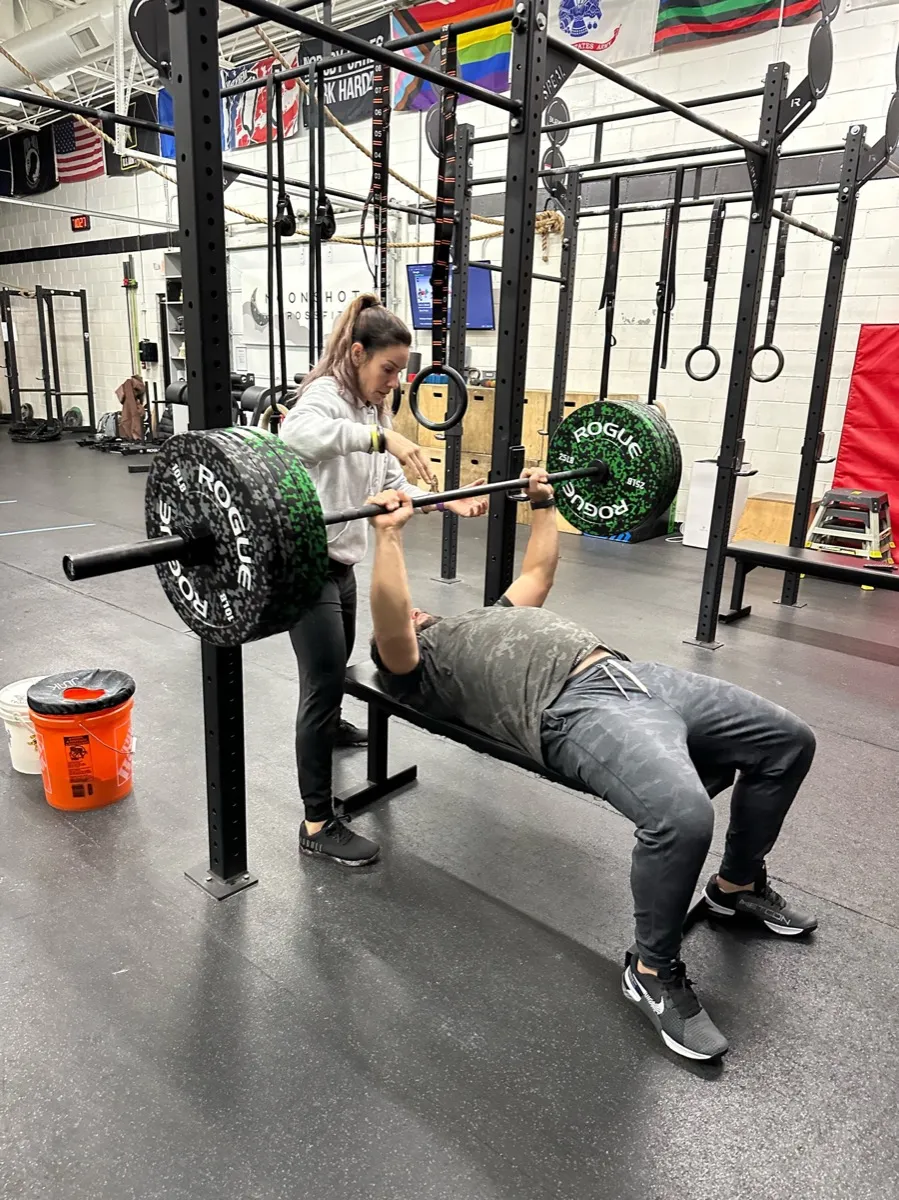
TRT + CrossFit: The Same Building Story
This is the part that makes Moonshot different. Most athletes who pursue TRT go to a clinic in one part of town and train at a gym in another. The two providers never talk. The clinician has no idea what the training demands look like. The coach has no idea what the hormonal picture looks like. Everything operates in silos.
At Moonshot, the gym and the clinic are in the same building. Moonshot Medical and Performance handles the clinical side -- comprehensive blood panels, hormone evaluation, and medically supervised TRT protocols for patients who qualify. Moonshot CrossFit handles the training. And because it is all under one roof, the pieces actually connect.
Your clinician knows you are doing CrossFit five days a week. Your coach understands that you are optimizing hormones and can program accordingly. Recovery protocols, training volume, nutrition guidance -- all of it informed by the full picture rather than isolated data points.
Want to learn more about testosterone therapy after 40? Or wondering if what you are experiencing are symptoms of low testosterone? The clinic has written extensively about both. And the first step is always blood work -- not assumptions.
The Bottom Line
Testosterone is not a vanity metric. It is a performance and health biomarker that directly affects your ability to recover, build muscle, manage body composition, sleep well, and stay motivated. It declines with age. It is affected by lifestyle. And for a significant number of athletes over 30, it is the missing piece of a puzzle they have been trying to solve with training and nutrition alone.
Step one is simple: get your levels checked. A comprehensive panel -- not the basic one your primary care doctor runs -- that includes total testosterone, free testosterone, SHBG, cortisol, and the other key markers athletes should track. From there, you make decisions based on data, not guesses.
Whether you optimize naturally or with clinical support, knowing your numbers is non-negotiable. You track every other metric in your training. This one matters more than all of them.
Frequently Asked Questions
Can CrossFit increase testosterone naturally?
Yes, to a degree. Heavy compound movements like squats, deadlifts, and cleans performed at high intensity have been shown to acutely boost testosterone levels. Consistent strength training also improves baseline testosterone over time. However, there are limits -- training alone typically cannot overcome clinically low testosterone caused by aging, chronic stress, or other medical factors.
What testosterone level is too low for an athlete?
Most labs flag anything below 300 ng/dL as low, but for active athletes, optimal performance typically requires levels between 500-900 ng/dL. A man at 350 ng/dL is technically "normal" but will likely experience recovery issues, reduced muscle building capacity, and low energy. The number matters less than the combination of symptoms and labs together.
Can you do CrossFit while on TRT?
Absolutely. TRT and CrossFit pair well together. TRT restores your hormonal foundation -- recovery capacity, muscle protein synthesis, energy, and motivation. CrossFit provides the training stimulus. Many athletes on TRT report faster recovery, improved body composition, better sleep, and renewed motivation to train.
Does testosterone decline affect women athletes too?
Yes. Women produce testosterone in smaller amounts, but it still plays a critical role in muscle maintenance, energy, mood, and recovery. Testosterone in women declines with age, particularly around perimenopause and menopause. Female athletes with low testosterone may experience persistent fatigue, difficulty maintaining muscle mass, and slower recovery.
What are the signs of low testosterone in someone who works out regularly?
The most common signs include: recovery taking significantly longer than it used to, losing strength despite consistent training, accumulating belly fat even with clean nutrition, persistent fatigue that sleep does not fix, low motivation to train, poor sleep quality, brain fog, and reduced libido. If you are experiencing several of these and lifestyle factors are dialed in, get your testosterone checked.