Summer in Park Ridge is great. Pool days at Centennial. Block parties. Backyard grilling. Vacations up to Wisconsin or wherever your family ends up. Late nights on the patio because the sun doesn't set until 8:30 and nobody wants to go inside.
It's also the season where gym routines quietly die. The schedule changes, the kids are home all day, and suddenly three months go by without a single workout. You don't decide to stop going. You just... stop. And by Labor Day, you're starting over from scratch, wondering where your progress went.
Here's how to prevent that.

Why Summer Derails Most People
The structure disappears. That's the whole problem.
During the school year, your schedule has guardrails. Drop-off is at 8. Pickup is at 3. Work fills the middle. You know when you're free, and you build your gym time around those anchors. It's not glamorous, but it works because it's predictable.
Summer blows all of that up. Camps start at different times every week. One kid has swimming lessons at 10, another has nothing until 2. Vacations pop up. Friends invite you to the pool on a Tuesday. The general looseness of the season makes everything feel optional -- and without a fixed routine, the gym is the first thing to go.
Not because you don't care about it. Because everything else feels more urgent or more fun. And then one missed week turns into two, two turns into a month, and a month turns into "I'll just start again when the kids go back to school."
The problem isn't motivation. It's structure. And the fix is simpler than most people think.
The Fix: Anchor Your Week
Pick three days. Non-negotiable. Same time each week. Write them down. Put them in your phone. Tell your spouse. These are your gym days, and they don't move for anything short of a genuine emergency.
Morning is usually best in summer because afternoons are for the pool, the park, the kids. If you wait until later in the day, something will always come up -- a playdate, a last-minute barbecue, the universal pull of doing absolutely nothing when it's 85 degrees outside.
Moonshot's early classes -- 5:30am and 6:30am -- let you get it done before anyone else in the house is awake. You're back home by 7:30, showered, and ready for whatever the day throws at you. The 9:30am class works well if you're a stay-at-home parent or have flexible summer hours. Drop the kids at camp, train, pick them up. Either way, you're finished before the day gets away from you.
Three days a week is enough to maintain and build fitness. You don't need five. You don't need six. You need three that actually happen, every week, all summer. That's the anchor.
Get the Whole Family Moving
Summer is the perfect time to get your kids into a fitness routine too. They're out of school, they have energy to burn, and the alternative is another four hours on a screen.
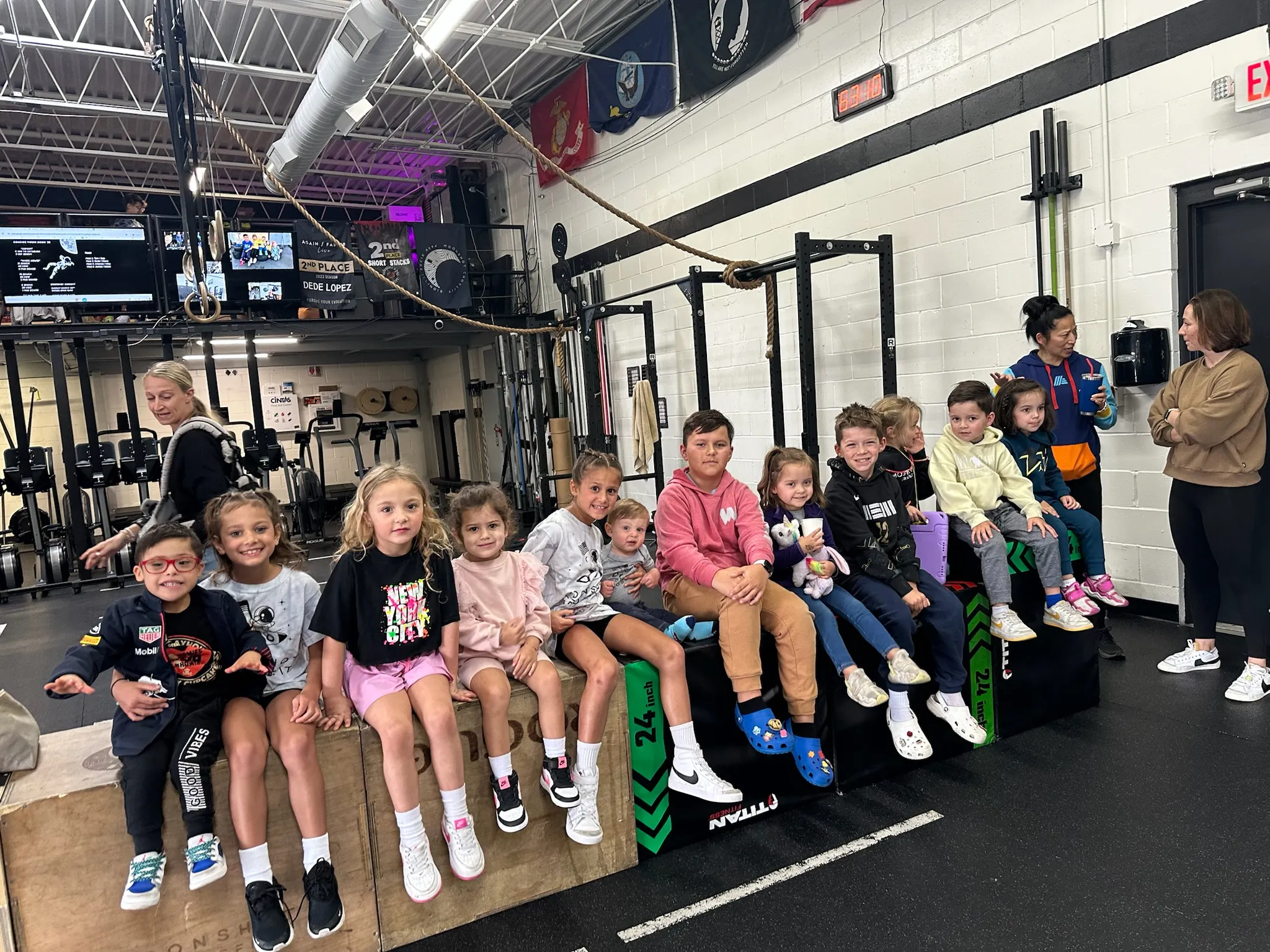
Moonshot runs kids programs and teen athlete training designed for younger athletes. The kids program builds coordination, strength, and confidence through age-appropriate movements and games. The teen program is more structured -- real strength training, conditioning, and athletic development for middle and high schoolers who want to get better at their sport or just get in shape before the fall season.
The logistics work in your favor here. While you work out, your kid can too. Or stagger it -- your class, then theirs. You're already at the gym. The drive is done. One trip, two workouts.
Active families tend to stay active. When your kids see you prioritizing the gym, it normalizes fitness as something your family does -- not something mom or dad disappears for. That habit compounds over years in ways that matter a lot more than any single workout.
Use the Summer Schedule to Your Advantage
Here's what nobody talks about: summer's flexibility can actually be an asset if you use it right. During the school year, you're locked into one class time. That's your slot, and if you miss it, tough luck. In the summer, you have options.
Try a different class time. Hit the Saturday 8am or 9am class -- it's a different vibe entirely. More social. More relaxed. People hang around after, chat, bring their kids, grab coffee. It's one of the best community moments of the week, and you might find it becomes your favorite session.
Sunday open gym is another option. No class structure, just you and the equipment, working on whatever you want. It's a good day to make up a missed session, practice a skill you've been chasing, or just move at your own pace without a clock running.
Open gym hours during the week give you even more flexibility. If your usual Tuesday class doesn't work because camp pickup got moved, come in during open gym at lunch instead. The workout still counts. The consistency still counts.
Summer gives you more time slots to choose from, not fewer. Use the flexibility instead of letting it work against you.
Don't Let Vacation Be an Excuse
You're going to go on vacation. Good. You should. Take the week. Eat the food. Skip the gym entirely. Enjoy your family and the lake and the overpriced tourist trap your kids will love.
A week off won't kill your progress. Your strength doesn't evaporate in seven days. Your conditioning doesn't reset to zero. The science is clear on this -- short breaks have almost no measurable impact on fitness. Your body doesn't forget how to squat because you spent a week in Door County.
Two months off will set you back, though. And that's how it usually happens. One vacation turns into "I'll start again when we get back," which turns into "maybe after the Fourth of July," which turns into "I'll wait until the kids go back to school." By September you've lost three months and the idea of walking back through the door feels harder than it should.
So go on vacation. Come back. Walk in the next Monday and pick up where you left off. The gym will be there. Your friends will be there. The hardest part is showing up after a gap -- but at a gym where people know your name, that's a lot easier than starting over at a place where nobody notices whether you exist.
The Bottom Line
Summer doesn't have to be a fitness dead zone. With a little structure and the right gym, it can actually be the season you make the most progress. Think about it: you're sleeping more. You're eating better produce because the farmers market is in full swing and tomatoes actually taste like tomatoes. You have more flexibility in your day. Your stress might even be lower than the rest of the year.
All of those things are advantages. They support recovery, fuel better training, and give you the schedule room to be more consistent than you are during the school-year chaos.
The only thing standing between you and a strong summer is a decision. Pick your three days. Lock them in. Show up when the alarm goes off. Let the rest of summer be summer -- pool days, vacations, late nights, block parties, all of it. But protect those three hours a week. They're the anchor that keeps everything else from drifting.
Don't waste the best season of the year.